A space that functions as a separate unit and predates 2020 can take the streamlined route under AB 2533. A plain room addition or anything built after 2020 goes through standard retroactive permitting to meet current code. Figuring out which category your project falls into before you spend a dollar matters most. That is what a Permit Amnesty assessment establishes first. We evaluate your situation privately, and nothing gets filed with the city until you give the go-ahead.
First question: is it a separate unit or extra space on the house?
This question decides everything else. AB 2533 (Government Code §66311.7) allows older units to be legalized on health and safety standards instead of full code. However, this law applies specifically to unpermitted ADUs and JADUs. These must be independent living units per the definition in Gov. Code §66313.
A plain addition that simply made the main house bigger is not a separate unit. It does not get the AB 2533 treatment and must be legalized through a standard retroactive permit meeting current building code. Here is the nuance that saves money. Some additions actually function as independent units. Those can sometimes enter the amnesty program by being permitted as ADUs. Determining your exact category is the first thing we figure out, because the cost and difficulty vary a lot between the two.
If your addition is a pre-2020 ADU or JADU
If the addition created a separate living unit and it was built before January 1, 2020, AB 2533 applies. The city judges it on the substandard housing standard in Health & Safety Code §17920.3 rather than current code. The required corrections are limited to life safety, and impact fees along with connection and capacity charges are waived. This is the same route we cover in our main legalization guide. It is the cheaper and faster outcome when it is available.
If it is a room addition or built after 2020: the retroactive route
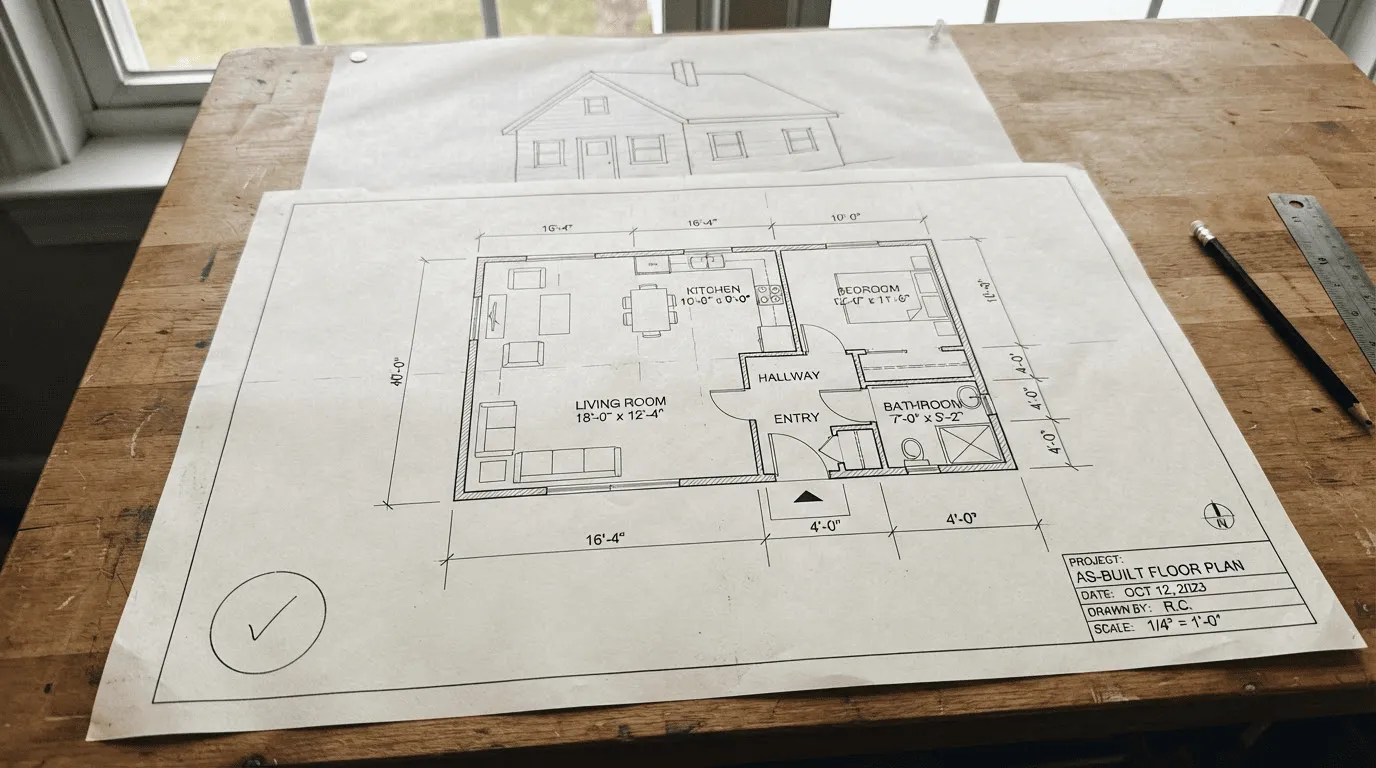
A standard room addition and any addition built after January 1, 2020, follows the as-built retroactive permit process. That means meeting the building codes in effect right now in 2026. You will need full as-built plans, current energy calculations, and often destructive testing. Inspectors will require opening finished walls and ceilings so they can verify the hidden framing, wiring, and plumbing that no one saw during the original construction.
It is more involved and more expensive than the AB 2533 route. Still, for most owners, it beats carrying an unpermitted addition into a sale at a steep discount.
Setbacks: the make or break for an addition
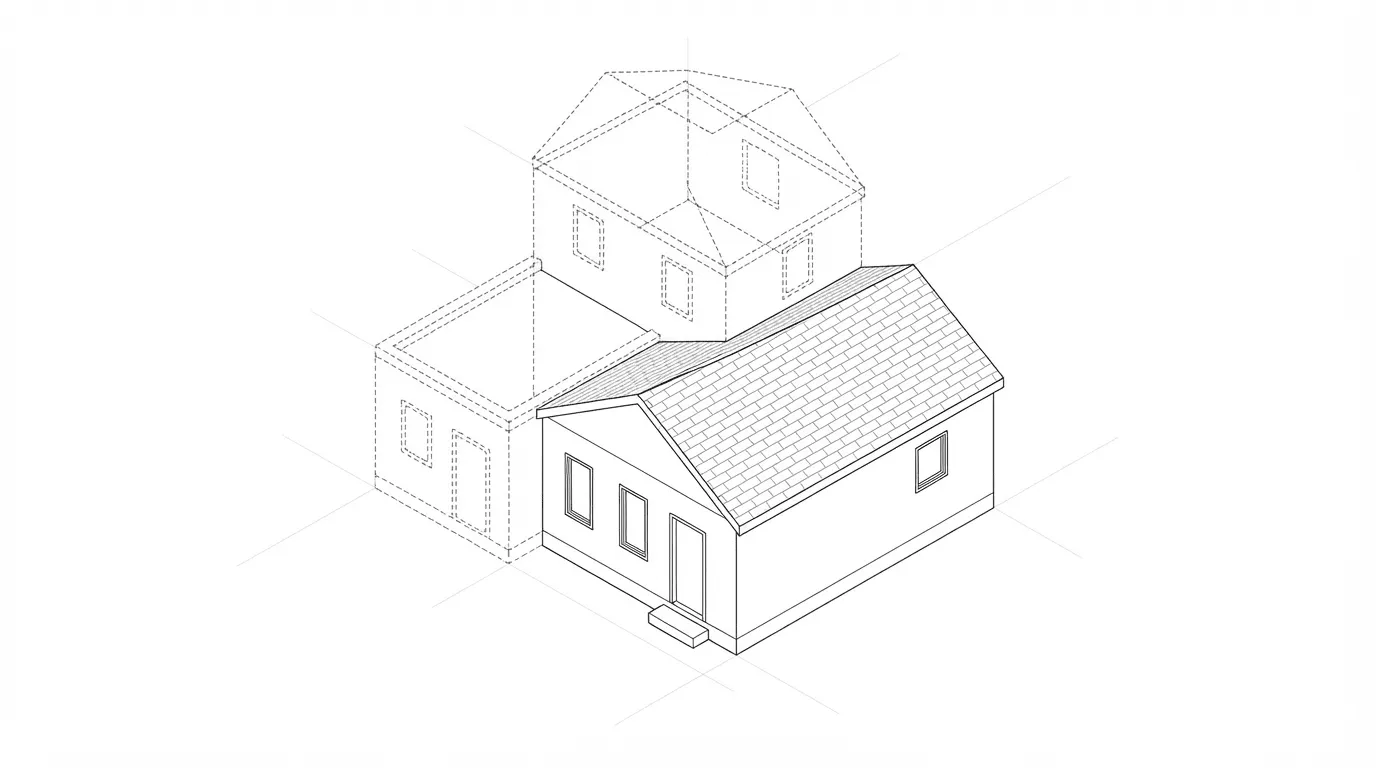
Additions live or die on setbacks. Because an addition extends the physical footprint of the house, it is the type of unpermitted work most likely to cross a required setback or sit right on the property line.
A pre-2020 unit under AB 2533 is shielded from setback corrections in its existing location. Everything else is not. A room addition or a post-2020 addition that violates a setback generally cannot be legalized as-is. A variance is discretionary and rarely granted. When that happens, the realistic options shift toward partial removal. Our assessment will tell you that straight rather than point you at a permit the city will never issue.
What an inspector verifies on an addition
Because an addition is physically tied into the existing house, the inspection focuses on how it connects, not just the new space itself:
- Structural tie-in: How the foundation, framing, and roofline of the addition join the original structure and whether that connection is sound.
- Concealed work: Destructive testing to expose framing, electrical, and plumbing that were closed up without inspection.
- Electrical and plumbing: Whether new circuits and lines were run correctly and whether the existing panel can carry the extra load.
- Life safety: Egress windows, smoke and CO alarms, and proper ventilation for any space used for sleeping.
What makes up the cost
The price depends on the route you take. A qualifying pre-2020 unit under AB 2533 is scoped by its life safety corrections, with impact and connection charges waived.
A standard retroactive legalization carries current code upgrades, destructive testing, the restoration work afterward, plus penalty pricing from the city. When a permit is required to bring unpermitted work into compliance, the standard permit fee is doubled and an investigation fee applies, with a $400 minimum under LAMC §98.0402. Your report gives preliminary ranges for your specific addition. Keep in mind that all figures in every assessment are estimates. Final costs are set by the contractor you choose and by what the city ultimately approves.
Legalize, partial removal, or sell
Legalizing is usually worth it when the addition can meet the bar. Permitted square footage is counted by appraisers and lenders, while unpermitted square footage is excluded and must be disclosed during a sale.
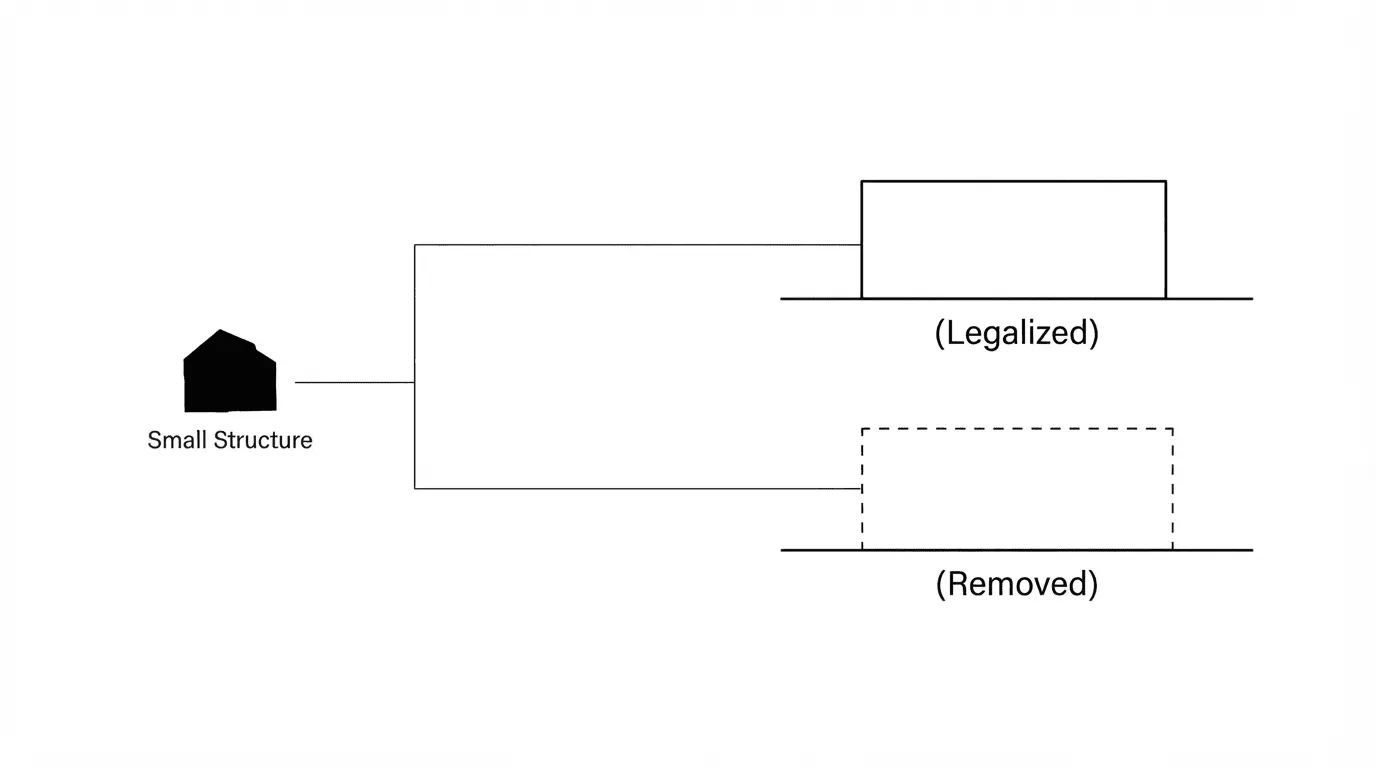
But an addition has a path the others do not: partial removal. If only a portion of the addition is the problem, like a few feet that cross a setback, a licensed contractor can remove just that section. They rebuild the wall at the legal line, patch the roof, and match the facade rather than tearing out the whole thing. If the numbers do not support legalizing at all, selling with full disclosure remains a solid option. The assessment runs the financials for all these scenarios against your specific situation. The final call is always yours.
Taking the first step confidentially
For a pre-2020 unit, the right to a private third-party code inspection before filing any paperwork is explicitly written into §66311.7. The results serve as your personal resource, not a public filing. Permit Amnesty operates on this principle across every assessment tier.
Tiers start at $550, and every tier credits toward the next.