The mistake: comparing prices instead of outcomes
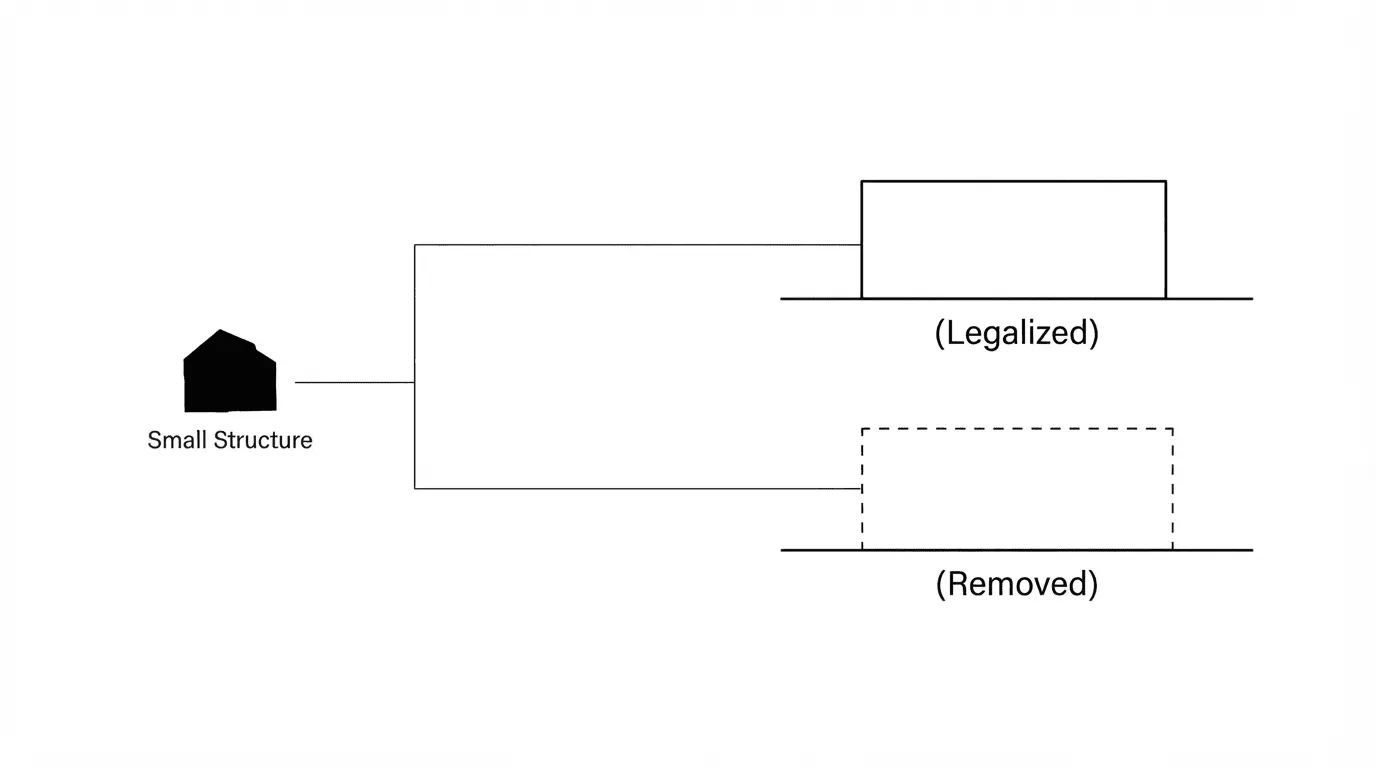
The natural instinct is to line up two numbers. Demolition costs this, legalizing costs that. Then you pick the smaller one. That is the wrong scale. Demolition is almost always the cheaper job, but it removes the structure and any value it could have carried. Legalizing costs more up front, but a permitted unit can add far more to the property than it costs to legalize. The honest comparison is not job cost versus job cost. It is what the property is worth, what it sells for, and how cleanly it closes under each path.
What legalizing actually does to the numbers
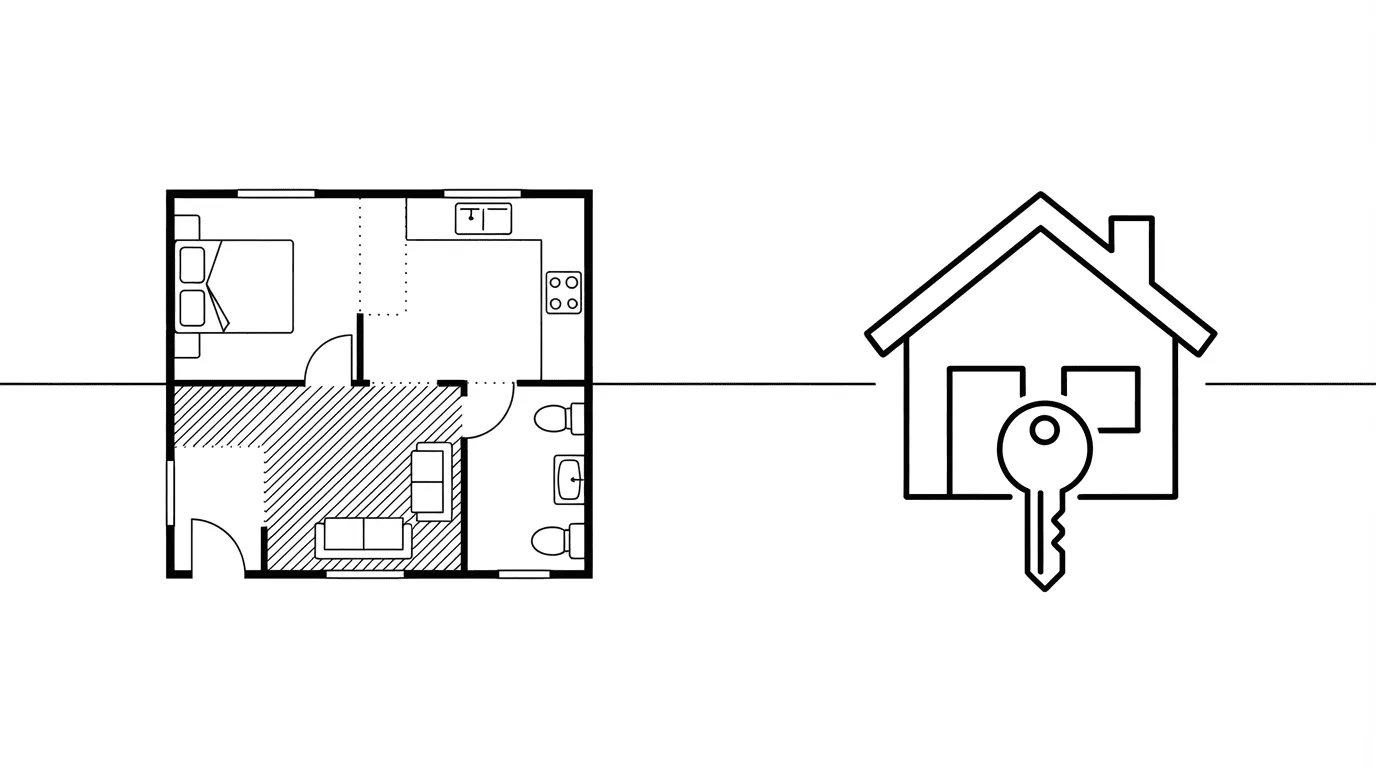
When a structure qualifies, the mechanics work in your favor. Appraisers and lenders count permitted square footage. A permitted unit can be rented legally, refinanced against, and marketed to the full pool of financed buyers. An unpermitted unit is the exact opposite. It is excluded from the official living area, disclosed at sale, and often treated as a liability with a cost-to-cure deduction. The tax effect is narrower than most owners fear. Under Prop 13, legalizing reassesses only the added value of the unit, not your existing tax base. When legalizing costs a fraction of the value it unlocks, the math answers itself. Our assessment puts preliminary numbers on both sides for your property.
What turnkey removal actually does
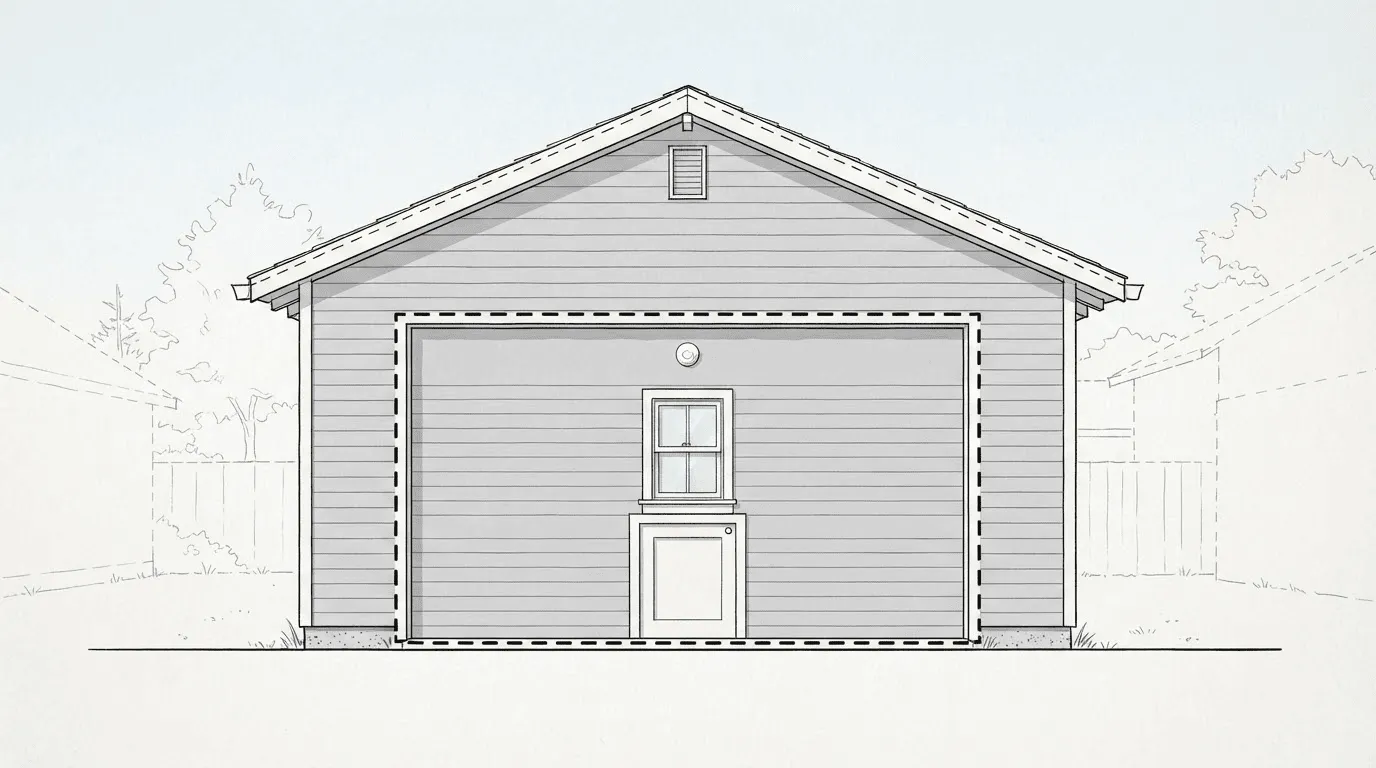
Removal done right is not a cash-and-haul job where a crew knocks the structure down and leaves. It is a permitted removal. The city issues a demolition permit, utilities are capped properly, debris is hauled and documented, and the site is restored. The part that matters most is that the violation is cleared from the property record so the title is clean for a sale. When legalizing is not possible or not the goal, this is the clean exit. The unpermitted work cloud is gone, and the property sells without it dragging the deal. Doing it off the books is the trap. An unpermitted teardown does not clear the violation, and the City of LA can impose penalties for an illegal demolition up to and including a five-year moratorium on permits for the site.
The deciding factor is your goal, not the cheaper bid
There is no single right answer because owners want different things. Match the path to the goal:
- Maximum value or ROI: Legalize if the structure qualifies. The value it adds can dwarf the cost.
- Sell or lease fast: Turnkey removal or an as-is sale. Legalizing runs on permit office timelines, which a tight closing cannot absorb.
- Rental income or refinance: Legalize. A lender needs a Certificate of Occupancy to count the unit and its income.
- Just clear an active violation: A permitted removal often clears it faster and cheaper than a full retroactive permit.
- No capital right now: Sell as-is with disclosure or to a cash buyer and let the next owner decide.
When legalizing is off the table
Sometimes legalizing simply is not available, and an honest assessment says so before you spend money chasing it. A post-2020 addition sitting on the setback line generally cannot be permitted without a variance the city rarely grants. A structure with a failing foundation or severe structural damage can cost more to retrofit than to remove. In those cases, full or partial removal is the only legal exit. It is a real, clean outcome, not a failure.
When removal wins even if you could legalize
Even when legalizing is technically possible, removal can still be the better call. If a sale or lease is imminent and the buyer’s lender will not fund around the unpermitted unit, removing it cleanly closes the deal now. If the unit is small and low value relative to what legalizing would cost, the return does not justify the work. And if you are facing urgency like a pending foreclosure or a divorce, speed outweighs the equity you would eventually unlock. The assessment does not push you toward the bigger job. It points to the outcome that fits.
Taking the first step confidentially
The comparison is the product. Every tier lays out each path. We cover legalizing, turnkey removal, partial removal, and selling as-is. You get the cost logic, the timeline, and what your property is worth under each option, all measured against your actual goal.
Three assessment tiers start at $550, and every tier credits toward the next.