Both can be slower and more expensive than building with permits the first time. However, recent state laws made the path far cheaper for many older units. Figuring out which track your property is on is the first thing a Permit Amnesty assessment establishes. We evaluate your situation privately, and nothing gets filed with the city until you give the go-ahead.
What a Retroactive Permit Actually Is
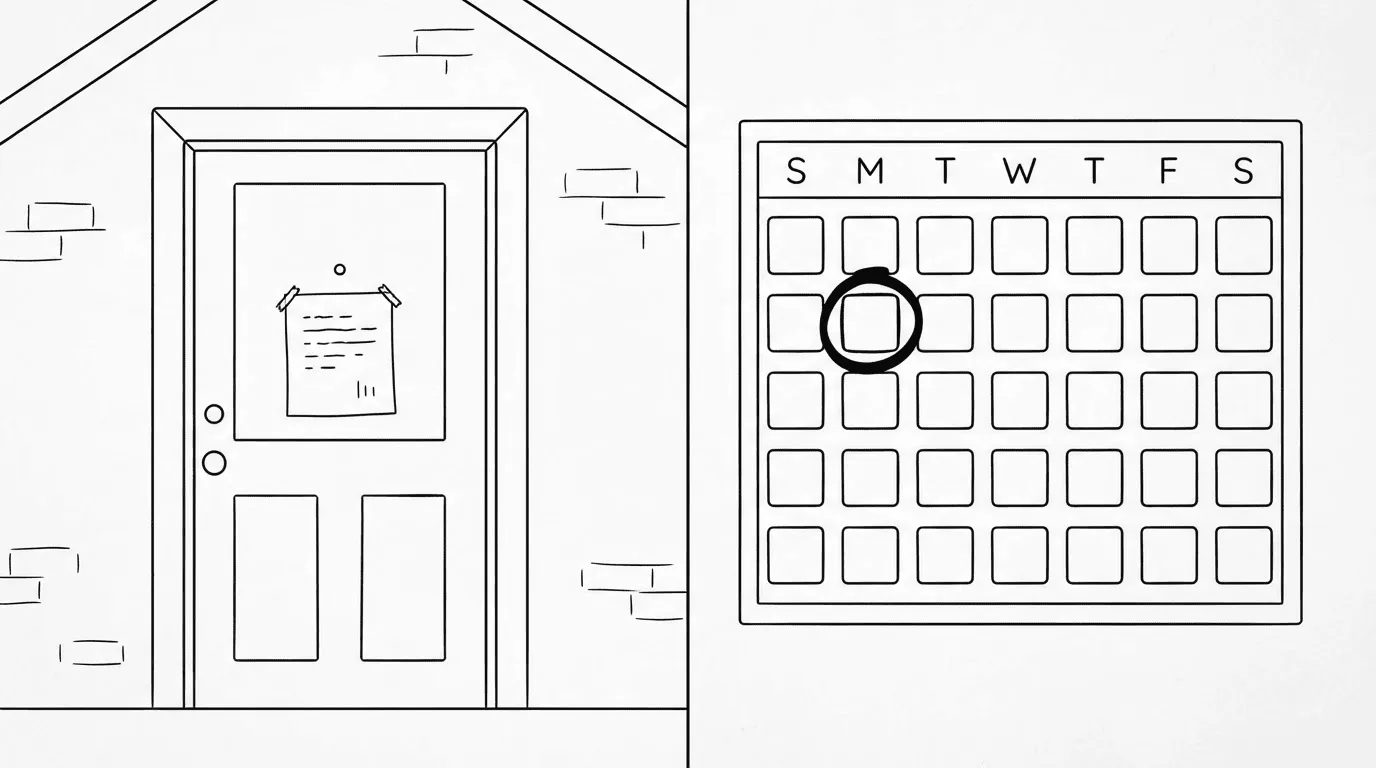
A retroactive permit, also called an as-built permit, legalizes work that was completed without the building permits it required. The process is usually triggered in one of two ways. Code enforcement issues an Order to Comply, or the unpermitted work blocks a sale, a lease, or a refinance because a lender or buyer needs it resolved. Unlike a normal permit pulled before construction, a retroactive permit has to document and prove the safety of work that is already built and often hidden behind finished walls.
The Double-Fee Penalty
Legalizing after the fact costs more than permitting up front by rule. Under City of Los Angeles ordinance LAMC §98.0402, when a permit is required to bring unpermitted work into compliance, an investigation fee equal to double the permit fee is charged. This fee is never less than $400. Unincorporated LA County applies a similar special investigation rule. It is a direct penalty for skipping the permit the first time. Legalizing now is still usually far cheaper than carrying the work into a discounted sale.
As-Built Plans and Documenting What Is Already There
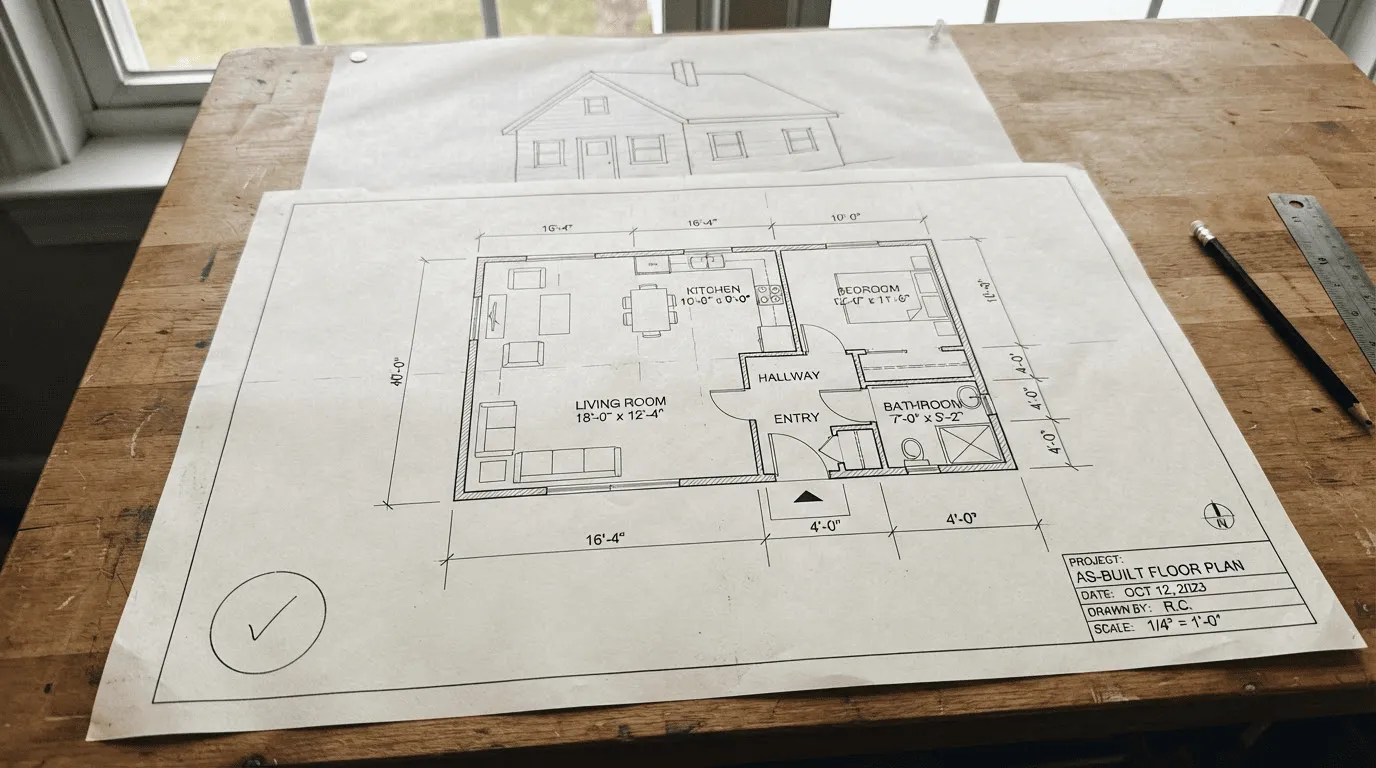
A retroactive permit requires a complete set of as-built plans that document the existing structure exactly as it stands. This includes the site plan, floor plans, sections, framing and foundation information, and energy documentation where current code applies. Because the framing and systems are concealed, the plans generally have to be prepared and stamped by a licensed California design professional. They reverse-engineer the hidden work to show it meets code. Plan preparation is priced by the complexity of the structure. Scoping it is a core part of our assessment.
Destructive Testing and Why They Open the Walls
Inspectors cannot certify what they cannot see, so they have the authority to require that concealed work be exposed. In the City of LA, LAMC §91.104.2.2 provides that work covered without first being inspected must be opened for examination on notice. The owner bears the cost of exposing and then restoring it. In practice, a portion of the finished surfaces is opened for verification. The scope expands if problems turn up. It is the biggest wildcard in a retroactive permit. This is why an honest pre-assessment of what is likely behind the walls matters before you file anything.
Built to Current Code
This is the part that drives the cost. Unless the property qualifies for AB 2533 amnesty, a retroactive permit is judged against the building code in effect when the application is reviewed. It is not judged against the code from when the work was actually done. If the concealed work falls short, you must correct it. Common upgrades include electrical panel capacity, seismic bracing, GFCI protection, and a permanent heat source. The exact list is what the inspection determines.
The Certificate of Occupancy
Under LAMC §91.109.1, a building cannot legally be used or occupied until a Certificate of Occupancy is issued. It issues only after every required final inspection has passed. This is the document a lender wants before it will count rental income or approve a refinance. It is also what makes a legalized space count in a sale. Without it, the space is not legally habitable, no matter how finished it looks.
Temporary Certificate of Occupancy
When the project is substantially done but minor, non-hazardous items remain, LAMC §91.109.5 allows a Temporary Certificate of Occupancy. The building official can grant interim occupancy for a limited period as long as there is no substantial hazard. It is a bridge and not a substitute. The full CofO still has to follow.
The Process and the Clock
In the City of LA, the path runs through LADBS. You submit plans through ePlanLA, go through plan check, receive corrections, resubmit, get the permit, pass field inspections, and receive the Certificate of Occupancy. In unincorporated LA County, it runs through EPIC-LA. You apply, clear the agency referrals, pass plan check, get the permit, schedule inspections, and receive the CofO. The County publishes its own plan review turnaround targets.
One detail owners miss is that a permit stays alive only while inspections keep happening on schedule. Let it sit idle too long and it lapses. The process then restarts from the beginning.
What It Costs
Part of the number is fixed and published. The investigation fee is double the permit fee with a $400 minimum under LAMC §98.0402. The extension of time Modification Fee is $346.62 in most cases if a compliance deadline needs moving under LAMC §98.0403.1. The Non-Compliance Fee is $660 if a violation is not corrected in time under LAMC §98.0411.
The rest is driven by your structure. This includes the as-built plans, the corrections the inspection requires, and the restoration after any destructive testing. Your report gives preliminary ranges for your specific property. All figures in every assessment are estimates. Final costs are set by the contractor you choose and by what the city approves.
AB 2533: The Cheaper Path for Older Units
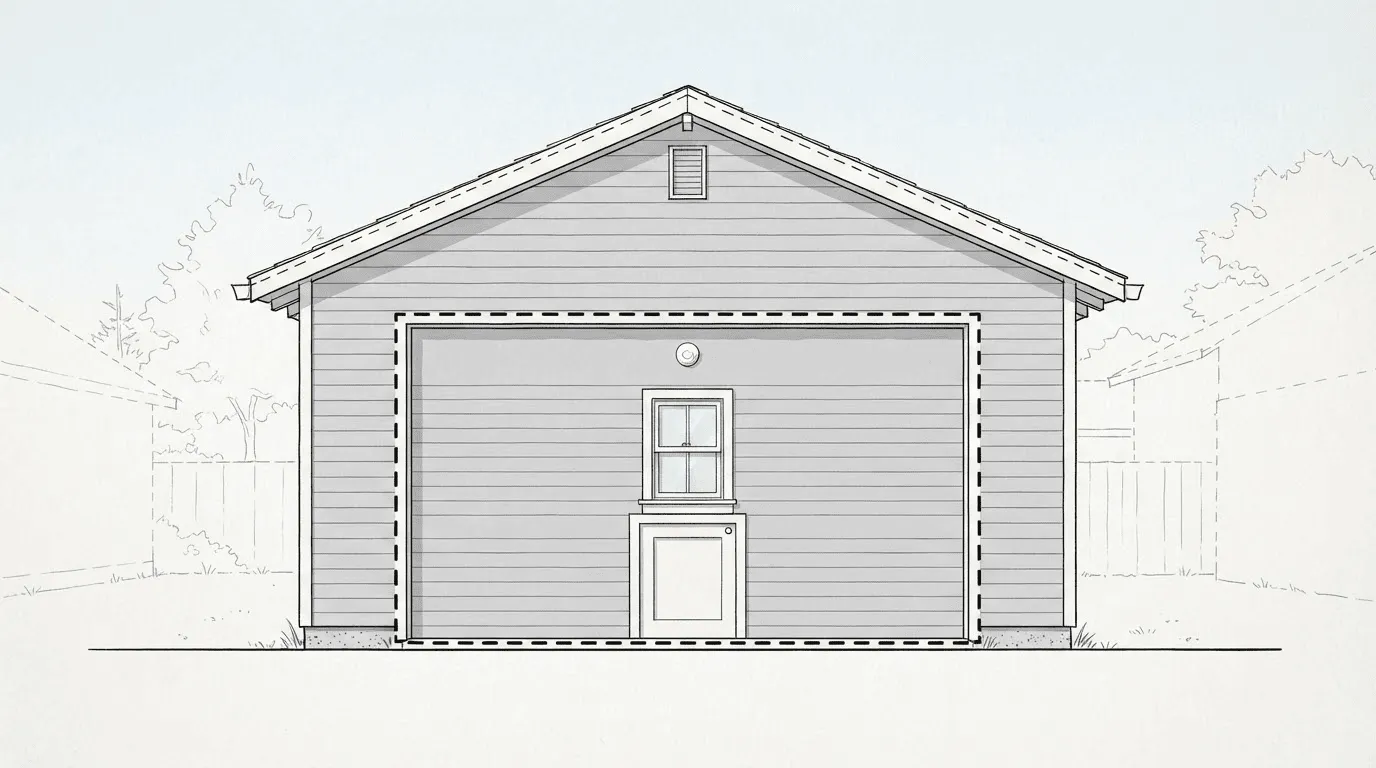
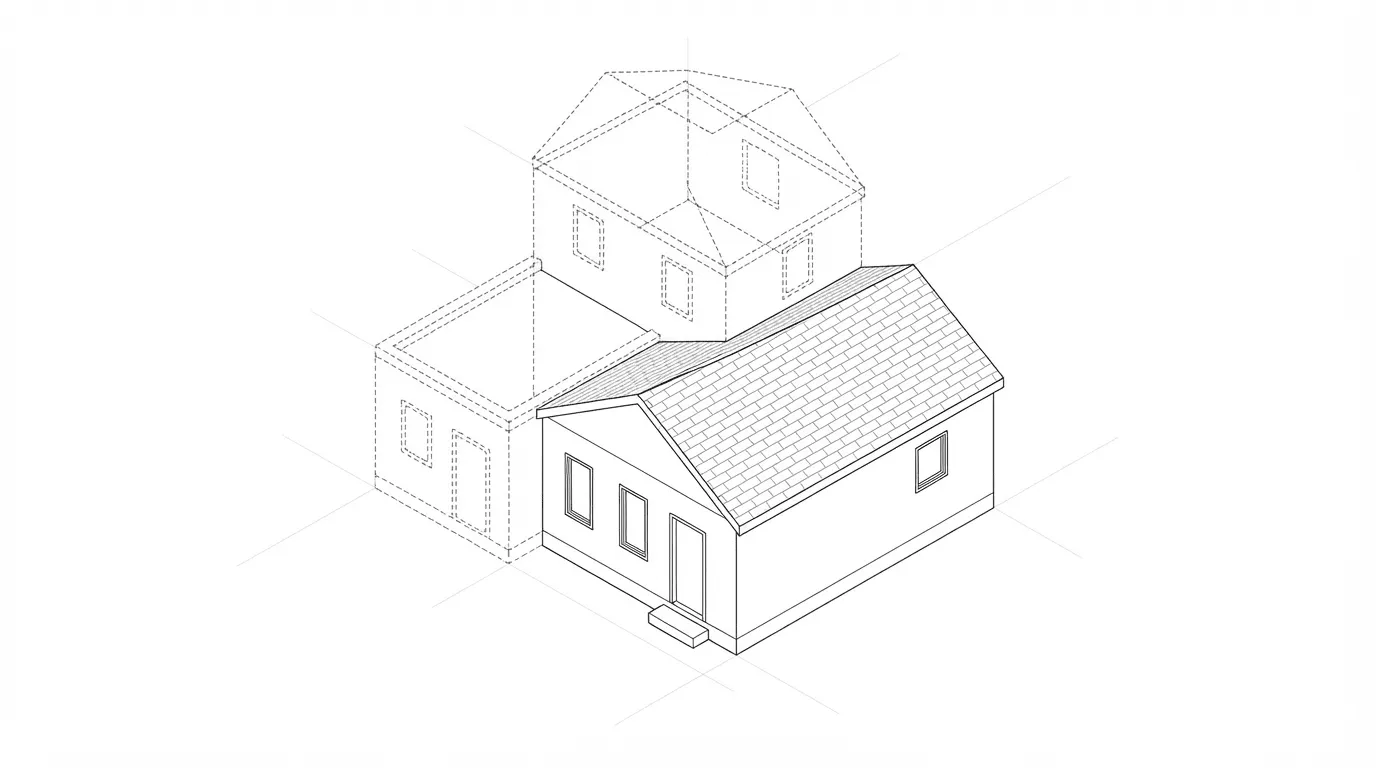
For an unpermitted ADU, JADU, or garage conversion built before January 1, 2020, AB 2533 changes this entirely. The unit is not held to the current building code. It is only held to basic health and safety under Health & Safety Code §17920.3. The costly current code corrections largely fall away, and impact fees along with connection and capacity charges are waived. For a qualifying unit, this is much cheaper and faster than the standard retroactive route. The first step is the same either way. You need to find out which path your property is on.
Taking the First Step Confidentially
Which track are you on? Are you looking at amnesty or a full retroactive permit? That is the first page of every report.
Three assessment tiers start at $550, and every tier credits toward the next.