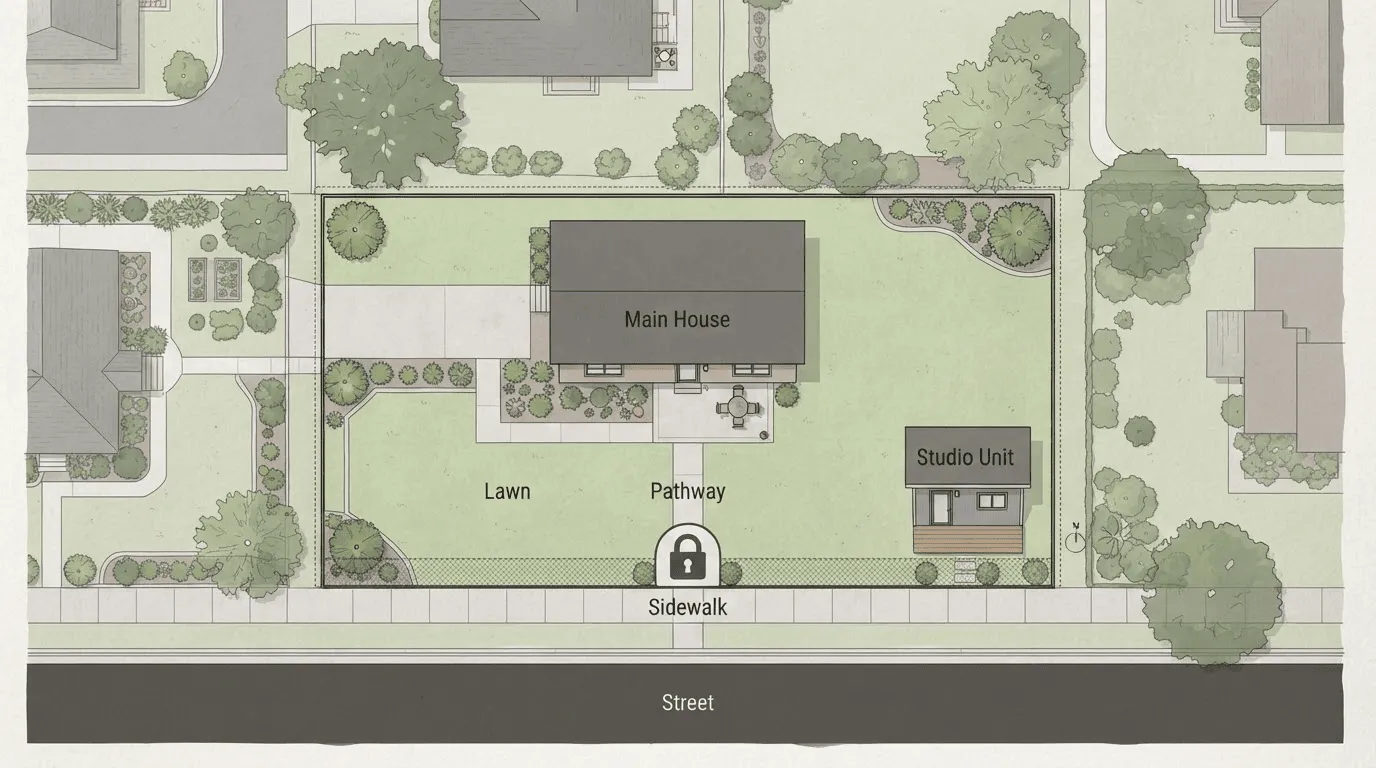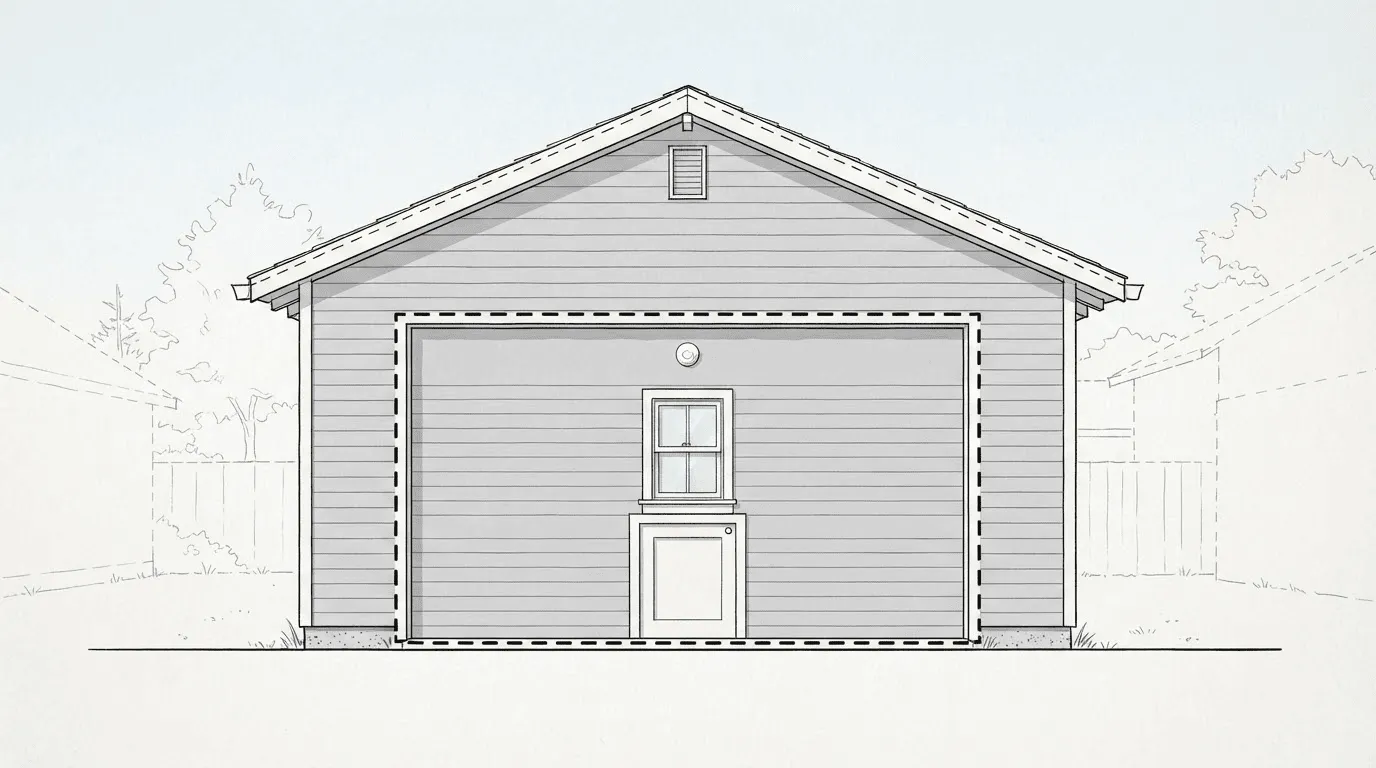
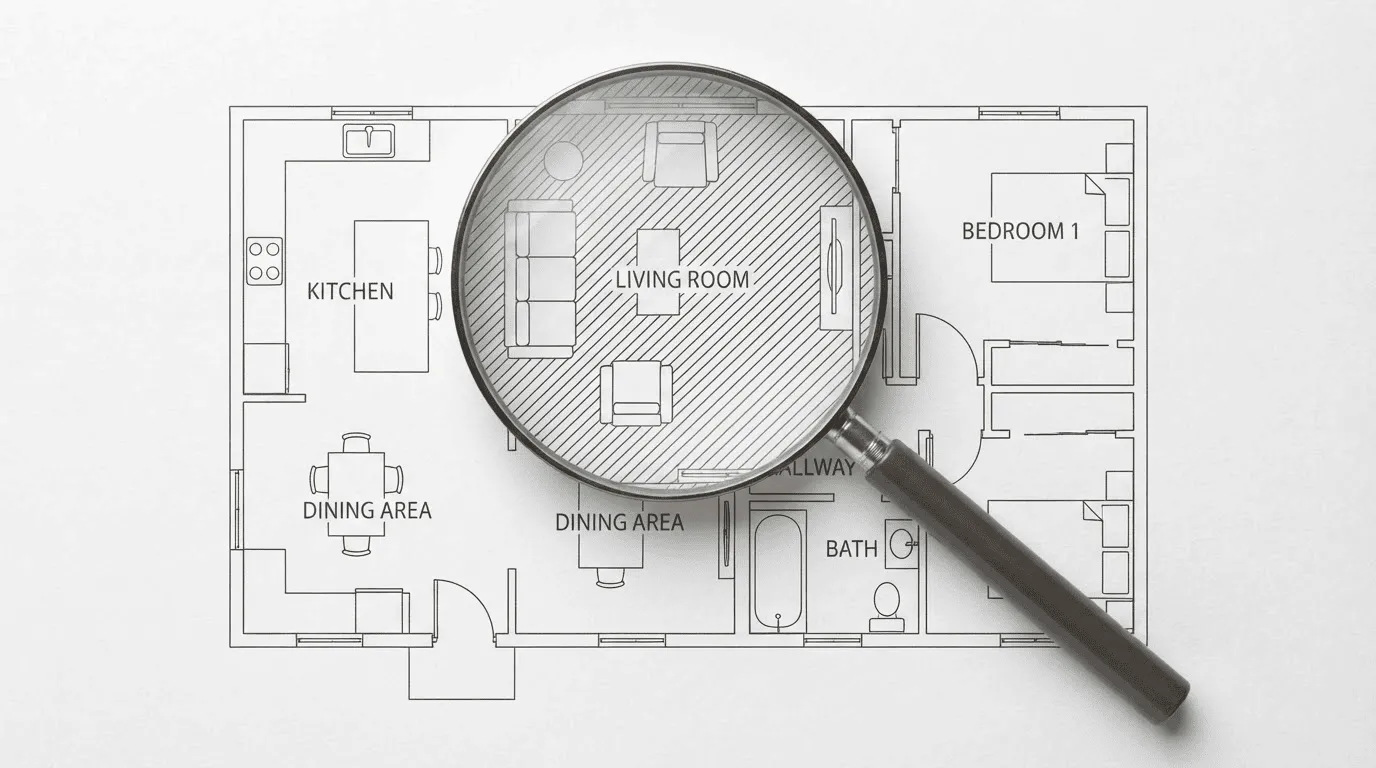
The difference between a smart buy and an expensive mistake is the due diligence you do before you close. That due diligence is what a Permit Amnesty assessment provides. We evaluate the property privately, and nothing gets filed with the city until you explicitly decide to proceed.
Why These Properties Sell at a Discount
The discount is structural and not a fluke. A seller is legally required to disclose known unpermitted work as a material fact. An appraiser excludes unpermitted square footage from the official living area and may deduct the cost to fix it. Financing can collapse over illegal use or safety issues, which shrinks the buyer pool to cash buyers and investors.
Each of those pressures pushes the price down. How wide the gap runs depends on the work and whether a code enforcement case is open. That gap is the room a prepared buyer is stepping into. Our assessment measures it for the specific property before you make an offer.
What You Are Actually Taking On
Before that discount tempts you, understand what transfers with the property. A code enforcement lien runs with the land and not the seller. LADBS is explicit that the current owner is responsible for complying with an open Order. This applies even if a previous owner created the violation.
The unpaid fees and the open case become the new owner’s problem. The lien blocks a clean resale or refinance until it is cleared. None of this is a reason to walk away, but all of it has to be priced into the deal. This is why due diligence before closing matters so much.
The Due Diligence That Protects You
This is where a deal is won or lost. Before you commit, three questions have to be answered.
- When was it really built? AB 2533 (Government Code §66311.7) only covers qualifying units built before January 1, 2020. The actual construction date is verified against historical satellite imagery and records. These routinely contradict what a seller claims because that date decides whether the cheap legalization path is even available.
- Is there an open case or lien? We check the permit history and the status of any violation, Order to Comply, or recorded lien so you know the full liability before you sign.
- Legalize or remove and what does each cost? We determine whether the structure can be legalized and at what cost versus removing it. The number you negotiate against must be real.
You do not need the seller’s cooperation to start. Public records and listing photos are enough for a preliminary read. Scouting a property before an offer or scouting several properties at once is a normal use of our Preliminary tier.
After You Close: Legalize or Remove and Rebuild
Once you own it, clearing the property is a construction problem with two main answers. If the structure qualifies, legalizing it is usually the move. This is especially true for a pre-2020 unit under AB 2533, which is judged on health and safety rather than current code with impact and connection charges waived. Permitted square footage is counted at appraisal while the discount you bought at stays in your pocket.
If it cannot be legalized, a permitted demolition removes it and clears the violation cleanly. If the lot supports it, demolishing and building a new fully permitted ADU can turn the problem into the highest-value outcome. The assessment runs the math on each option against the property and your investment plan.
Clearing the Violation and the Penalties
Buying the property does not close an open case. Only correcting the physical violation does, followed by a final inspection. Once the work is corrected, the escalation stops. The corrected violation is what creates the basis to seek a reduction or dismissal of accrued penalties.
No one can promise a particular outcome on the penalties because that is decided by the City. However, as the new owner actively resolving the case, you are in the strongest position to pursue it. A real estate or land-use attorney works that piece directly with you while licensed contractor partners handle the construction.
How This Can Pencil Out
The arithmetic is what makes these deals work when they work. The spread between what the violation takes off the purchase price and what it actually costs to clear is the potential return. The whole point of pre-purchase due diligence is to measure that spread with real numbers instead of guessing.
Not every deal pencils out. Some discounts are fair, some are too small for the risk, and some hide a structure that can only come down. With the construction date, the case status, and a legalize versus remove cost in hand before you close, you can tell which is which.
Scouting First, Upgrading Later
We built a specific pattern for buyers. You order a Preliminary Assessment on a property you are scouting and use it to negotiate. If you end up closing on that address, you can upgrade to a higher tier by paying the difference well beyond the standard upgrade window. The property is the client here and not the paperwork around it.
Taking the First Step Confidentially
Underwrite the problem before you buy it. That is what the assessment is for.
Three assessment tiers start at $550, and every tier credits toward the next.